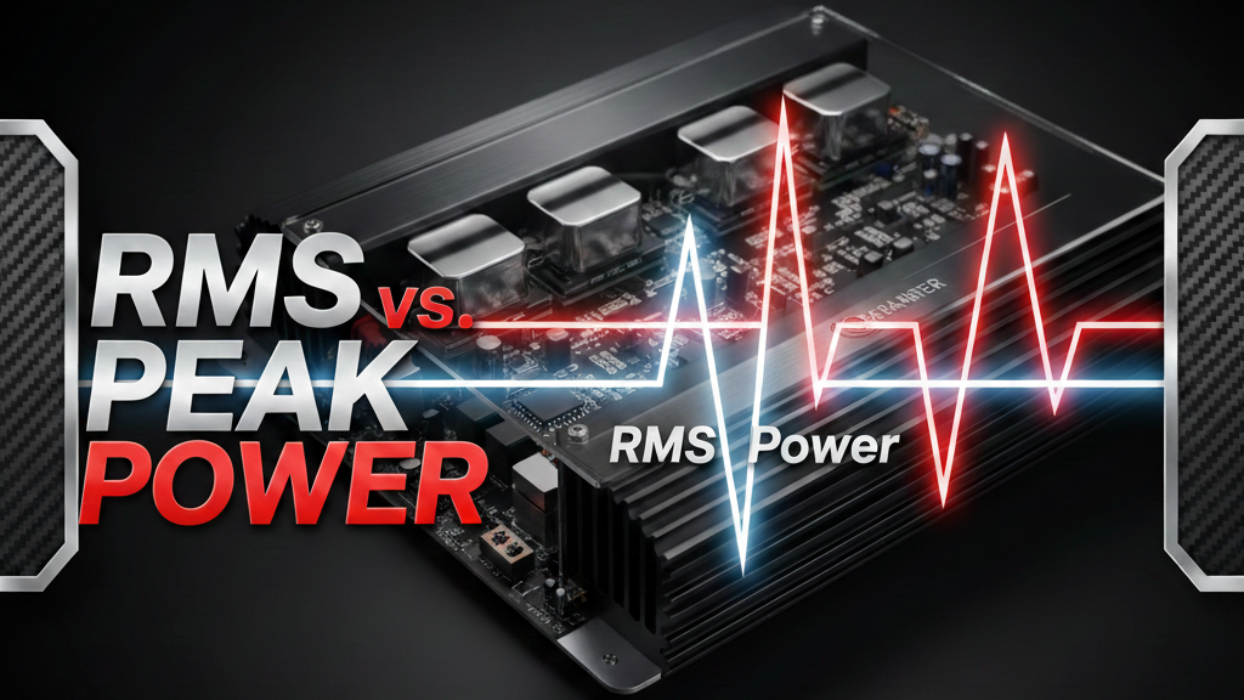
RMS power is the most important specification for comparing audio equipment. It tells you how loud, clean, and safe a system can operate during regular use.
Peak power provides supplemental information, but it shouldn’t heavily influence buying decisions.
If you want accurate comparisons and reliable performance, always base your choices on RMS or continuous power ratings and the matching impedance values.
Summary
- RMS represents the amount of continuous power an amplifier can deliver, or a speaker can handle, without overheating or distorting.
- Peak power is the maximum amount of power that a speaker or amplifier can tolerate for a brief moment.
- Matching your amplifier’s RMS output to the speaker’s RMS handling at the same impedance is key to getting the best audio quality from your system.
What Does RMS Mean In Audio?
RMS stands for root mean square, a mathematical method used to calculate the effective average of a changing signal.
RMS represents the amount of continuous power an amplifier can deliver, or a speaker can handle, without overheating or distorting.
RMS values are typically tied to standardized test methods that use controlled noise and defined impedance levels. Because these ratings reflect long-term behavior, they’re a reliable indicator of clean volume, durability, and compatibility.
What Does Peak Power Mean?
Peak power is the maximum amount of power that a speaker or amplifier can tolerate for a brief moment. This type of power occurs during short musical hits or sudden transients. Peak power isn’t sustained and doesn’t reflect the continuous capability of a system.
Manufacturers often highlight peak power ratings because they appear higher than RMS values, making them look more impressive.
However, peak values can’t be used to compare long-term performance or determine whether components truly match.
Some brands also use terms such as maximum power and peak music power output (PMPO), but these don’t follow consistent standards.

Matching Your Car Amp to Speakers Using RMS Ratings
Matching your amplifier’s RMS output to the speaker’s RMS handling at the same impedance is key to getting the best audio quality from your system.
An amplifier with a slightly higher RMS power than the speaker rating offers headroom and reduces distortion.
Meanwhile, too little RMS power can cause clipping when the amp is pushed beyond its limits, sending distorted signals that can damage the speakers.
Peak and PMPO numbers should never be used to determine equipment compatibility, as they’re generally used to understand how much short-term power a system can handle.
Here’s a quick guide on how you can set amp gain to match lower RMS subwoofers:
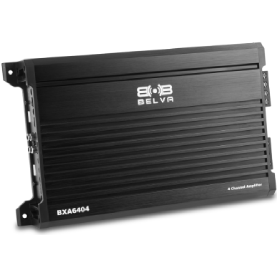
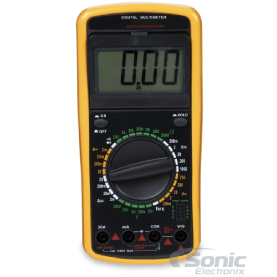
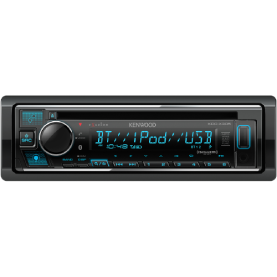
Get the Gear: Similar Products from the Video
Understanding the difference between RMS and Peak power is only the first step. To build a reliable system, you need hardware that provides a clean signal and the tools to verify your settings.
About The Authors

Christine F.
Christine is a dedicated content writer with over five years of experience covering a variety of automotive and car audio topics, transforming technical knowledge into compelling and easy-to-understand content. She’s passionate about writing articles that educate, empower, and inspire drivers and audio enthusiasts everywhere. In her free time, she enjoys playing tennis and going on walks with her dog.

Dustin H.
Dustin is passionate about delivering honest car audio advice that serves both first-time buyers and seasoned car audio enthusiasts. A veteran of the car audio industry, he continues to learn about car audio space while building some systems of his own. Outside of his work in car audio, he’s active in his local church and enjoys spending time with family.