
A subwoofer adds depth and realism to your car’s sound system by handling frequencies that smaller speakers cannot reproduce. However, the question of how many subwoofers you actually need does not have a one-size-fits-all answer. The best setup depends on your vehicle’s interior, your listening habits, and how much control and balance you want across the cabin.
Adding more subwoofers does not automatically guarantee better bass. The goal is not volume alone but smooth, accurate, and evenly distributed low-frequency sound. This guide explains what happens when you run one, two, or multiple subwoofers and how to choose the configuration that works best for your system.
Why the Number of Subwoofers Matters
Every subwoofer moves air to create sound pressure. The total amount of air displaced depends on cone area and cone excursion. In other words, how large the cone is and how far it can move. Increasing the number of subwoofers increases total surface area, which can raise output and make bass more effortless.
However, vehicles behave differently from home audio environments. Car cabins are small, reflective, and full of irregular surfaces. This creates standing waves and cancellation points where certain bass frequencies either build up or disappear. Adding more subwoofers can help smooth out these uneven spots, but it also increases power demands and tuning complexity.
Ultimately, the number of subwoofers you use should serve the vehicle’s acoustics and your listening goals, not just the desire for more bass.
Single-Subwoofer Systems: Simplicity and Control
A single subwoofer remains the most common and practical option for car audio systems. It provides deep, balanced bass with minimal space and power requirements. One properly powered and enclosed subwoofer can outperform a pair of poorly installed ones.
When One Subwoofer Is Enough
- Smaller vehicles: Compact cars and coupes have limited cabin volume, so one sub is more than sufficient to pressurize the space.
- Clean, accurate sound: Fewer components make phase alignment and crossover tuning easier, improving clarity.
- Limited electrical capacity: Vehicles with factory electrical systems can support one amplifier and sub without upgrades.
- Tight installation areas: A single sealed enclosure fits easily in a trunk or under a seat, keeping the layout efficient.
A single-sub system is ideal for listeners who value accuracy, simplicity, and consistent sound quality over extreme loudness. It is easier to install, easier to tune, and less likely to cause imbalance or phase issues.
Dual-Subwoofer Systems: Output and Balance
Running two subwoofers doubles the cone area, which increases output potential and often makes bass feel more effortless at lower volume levels. This setup can also fix the uneven bass response that sometimes happens with a single driver. This occurs when low frequencies behave unpredictably because of reflections and cancellations caused by the cabin’s size and shape. These effects create standing waves, which are points where bass frequencies either reinforce or cancel each other out.
Advantages of Two Subwoofers
- Smoother in-car response: Placing subs on opposite sides of the trunk or behind each seat helps reduce peaks and dead spots.
- Higher output efficiency: Two subs move the same air with less strain per driver, improving control and lowering distortion.
Flexible tuning: You can wire dual subs in series or parallel to match amplifier output more precisely. - Better coverage in larger cabins: Trucks, sedans, and SUVs benefit most from dual setups because of their larger interior space.
Dual-subwoofer systems still require attention to phase alignment and amplifier gain matching, but when set up properly, they produce balanced, full-range bass that fills the vehicle evenly.
Multiple-Subwoofer Systems: Coverage and Consistency
Using more than two subwoofers falls into the territory of advanced or custom audio design. Three or more subs allow for even greater flexibility in sound distribution but also introduce far more complexity. These setups are usually found in large SUVs, vans, marine vessels, or competition systems where uniform low-frequency coverage is essential.
Considerations for Multi-Sub Systems
- Tuning complexity: Multiple subs can interfere with each other if they are not carefully time-aligned and equalized.
- Electrical demand: Large amplifier banks draw significant current, requiring upgraded alternators, wiring, and batteries.
- Space requirements: Multiple enclosures or custom fabrication may be needed to fit all drivers.
- Purpose-built performance: These systems excel in competition or demonstration environments but are rarely necessary for daily driving.
Multiple-subwoofer systems can achieve incredible accuracy and power when designed by professionals, but they require careful engineering to maintain phase coherence and prevent cancellations.
Choosing Based on Your Vehicle and Goals
The most efficient way to decide how many subwoofers you need is to start with your space and your goals.
- Compact cars: One 10-inch or 12-inch sub in a sealed box provides controlled bass without overwhelming the cabin.
- Sedans: Either one 12-inch or two 10-inch subs can balance clean output with even response.
- Trucks or SUVs: Dual subwoofers typically deliver better coverage and smoother bass due to larger cabin dimensions.
- Large or open vehicles: Multiple smaller subs positioned strategically can provide even low-frequency distribution.
The right number of subwoofers is the one that complements your system’s design and your preferred listening experience. It is always better to have one properly installed and tuned subwoofer than several poorly integrated ones.
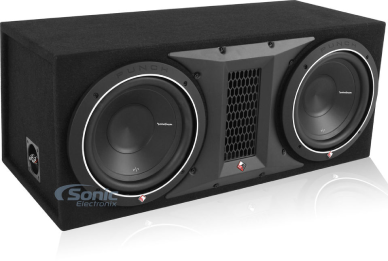
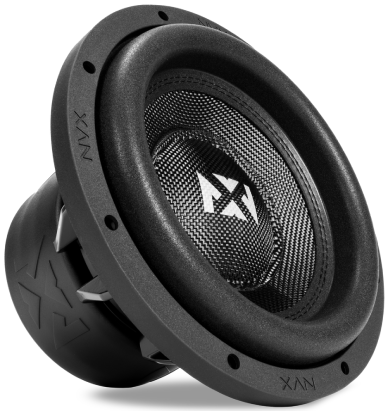
From Compact to Full-Size: Which of These 4 Subwoofers is Right for You?


Final Thoughts
In car audio, balance matters more than sheer quantity. Adding more subwoofers can increase output and coverage, but only when supported by proper tuning, power, and enclosure design. A single high-quality subwoofer often delivers the cleanest and most natural result for everyday use.
If you later expand your system, add subwoofers to solve specific problems such as uneven bass or limited headroom–not simply to chase numbers. The most satisfying systems are the ones that sound right, not just the ones that look impressive.
About The Authors

Benjie B.
Benjie has been writing automotive content for six years, and he loves the idea of democratizing knowledge through well-written and easy-to-understand content. He particularly enjoys the learning process behind writing and he’s fascinated by how vehicles and how the systems behind them work. Now, his work at Sonic Electronix has exposed him to the rabbit hole that is car audio systems, and he now wants to upgrade his family’s 20-year-old Toyota Yaris with a high-fidelity system someday. He enjoys watching content creators on YouTube, and he’s currently an avid cyclist, training so that his friends don’t leave him behind on group rides.

Hunter V.
Hunter is a Tech Support Lead at Sonic Electronix who also works with the company’s marketing and R&D team. With eight years of experience in the car audio installation space, Hunter likes to make sure that our customers are always happy with their purchase. In his past time, Hunter enjoys building subwoofers and spending time with his kids.