Summary
- Clipping forces a subwoofer’s voice coil to stay energized longer than normal.
- Excess heat builds up faster than the coil can dissipate it.
- Most subwoofer failures from clipping are thermal, not mechanical.
- Underpowered amplifiers driven too hard are a common cause.
- Proper gain setting and headroom prevent overheating.
Why Subwoofers Are Especially Vulnerable to Clipping
When a subwoofer fails, the cause is often blamed on “too much power.” In reality, many subwoofers die from too much heat, not too much movement.
That heat usually comes from amplifier clipping.
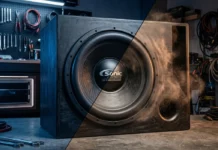
Clipping happens when an amplifier is pushed beyond its clean output capability. Instead of delivering a smooth waveform, the signal flattens, keeping the subwoofer’s voice coil energized longer than it should be. As a result, the coil heats up very quickly.
Unlike tweeters, which fail quickly and audibly, subwoofers often overheat silently. By the time output drops or the smell appears, the damage is already done.
What Clipping Is and Why It Heats Subwoofers
One reason why clipping occurs when an amplifier–the device that amplifies audio signals–is asked to produce more output voltage than it is capable of delivering cleanly.
A clean bass wave is constantly changing. The voltage rises, falls, crosses zero, reverses direction, and goes up again. However, when you turn the volume up too far, or push too much bass boost, the amplifier reaches its maximum output voltage and the amp cannot follow the shape of the signal anymore.
For a subwoofer, this is especially dangerous.
A clean bass signal constantly changes direction. The voice coil moves forward and backward, which allows brief cooling periods as the current varies. A clipped signal holds the waveform near its maximum output for longer stretches of time. That means the voice coil stays energized longer, with fewer chances to cool.
The result is rapid heat buildup inside the coil.
Subwoofers are designed to handle large amounts of power, but only when that power is delivered cleanly. Clipping turns electrical energy into heat instead of motion, and heat is what destroys subwoofers.
Tweeters and midrange speakers also suffer from clipping, but they usually fail quickly and audibly. Subwoofers tend to overheat quietly until permanent damage has already occurred.’
Why Gain Can Cause Subwoofer Clipping
Gain control is the most misunderstood adjustment in car audio.
Gain does not add power. It sets how much input voltage is required for the amplifier to reach full output.
When gain is set too high, the amplifier reaches its maximum output with very little input signal. As you continue to raise volume, the amp has nowhere left to go. It clips.
With subwoofers, this happens frequently because bass demands more power than any other part of the system. A gain setting that seems fine at moderate volume may cause clipping during heavy bass passages.
This is why subwoofer amplifiers clip more often than full-range amplifiers.
Once clipping begins, the subwoofer voice coil absorbs sustained current instead of short musical peaks. Heat rises quickly, the adhesives soften, and the coil insulation breaks down.
Why Underpowered Systems Overheat Subs
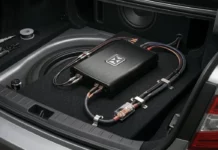
A common myth is that powerful amplifiers blow subwoofers. In reality, underpowered amplifiers driven into clipping are more dangerous.
When an amplifier lacks headroom, it doesn’t have enough clean power capacity to reproduce the signal at the requested volume, so it reaches its limit and begins to distort instead of getting louder. When this occurs, the amp is pushed to its limits more often. Every heavy bass hit forces it into clipping. The subwoofer receives distorted, heat-heavy energy instead of clean motion.
A properly matched amplifier with adequate headroom can deliver clean power without clipping, even at higher output levels. That clean power is safer than distorted power at lower ratings.
How to Prevent Subwoofer Overheating
Preventing thermal failure is about clean signal delivery and realistic expectations.
Set Gain Correctly
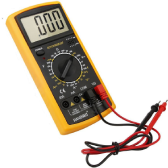
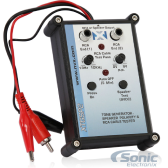
Gain should be set so the amplifier reaches full clean output at the head unit’s maximum clean volume. This is best done using test tones and a multimeter, oscilloscope, or distortion detector.
Setting gain by ear almost always results in clipping.


Limit Bass Boost and EQ
Avoid boosting low frequencies whenever possible. If bass output is lacking, address the system design instead of forcing more signal into the amplifier.
Match Power Properly
Choose an amplifier that can deliver clean RMS power close to the subwoofer’s RMS rating. Slightly more clean power is safer than too little.
Ensure Electrical Stability
Voltage drops cause amplifiers to clip sooner. Proper wiring, solid grounds, and healthy vehicle electrical systems all help prevent clipping under load.
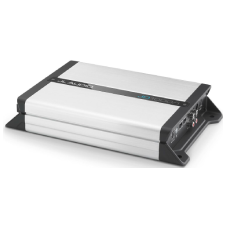
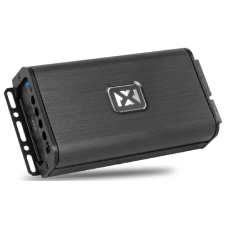
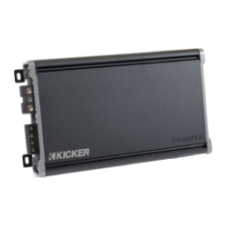
Clean amplifiers with the lowest clipping rates
Overall, make sure to order an amplifier that can produce more RMS power than your subs/speakers require, but see below for amplifiers that we see with the lowest return rates for clipping issues:
About The Authors

Benjie B.
Benjie has been writing automotive content for six years, and he loves the idea of democratizing knowledge through well-written and easy-to-understand content. He particularly enjoys the learning process behind writing and he’s fascinated by how vehicles and how the systems behind them work. Now, his work at Sonic Electronix has exposed him to the rabbit hole that is car audio systems, and he now wants to upgrade his family’s 20-year-old Toyota Yaris with a high-fidelity system someday. He enjoys watching content creators on YouTube, and he’s currently an avid cyclist, training so that his friends don’t leave him behind on group rides.

Hunter V.
Hunter is a Tech Support Lead at Sonic Electronix who also works with the company’s marketing and R&D team. With eight years of experience in the car audio installation space, Hunter likes to make sure that our customers are always happy with their purchase. In his past time, Hunter enjoys building subwoofers and spending time with his kids.