Summary
- The basket is not just a mounting structure. It’s a load-bearing component that affects how the entire speaker behaves.
- A rigid basket reduces mechanical vibration that would otherwise affect the sound.
- A well-designed basket allows the speaker to perform as intended. A poor one limits performance long before electronic limits are reached.
The speaker basket is not a passive or cosmetic part. It is a critical structural element that determines how accurately and reliably a speaker can operate.
Speaker baskets are typically overlooked because people tend to focus on other elements like cone material, surround, or brand reputation. The basket rarely gets attention, even though it is responsible for holding every moving and non-moving part in precise alignment.
The basket is not just a mounting structure. It’s a load-bearing component that affects how the entire speaker behaves.
A well-designed basket allows the rest of the speaker to operate as intended. A poor basket limits performance no matter how good the other components may be.
What a Speaker Basket Is
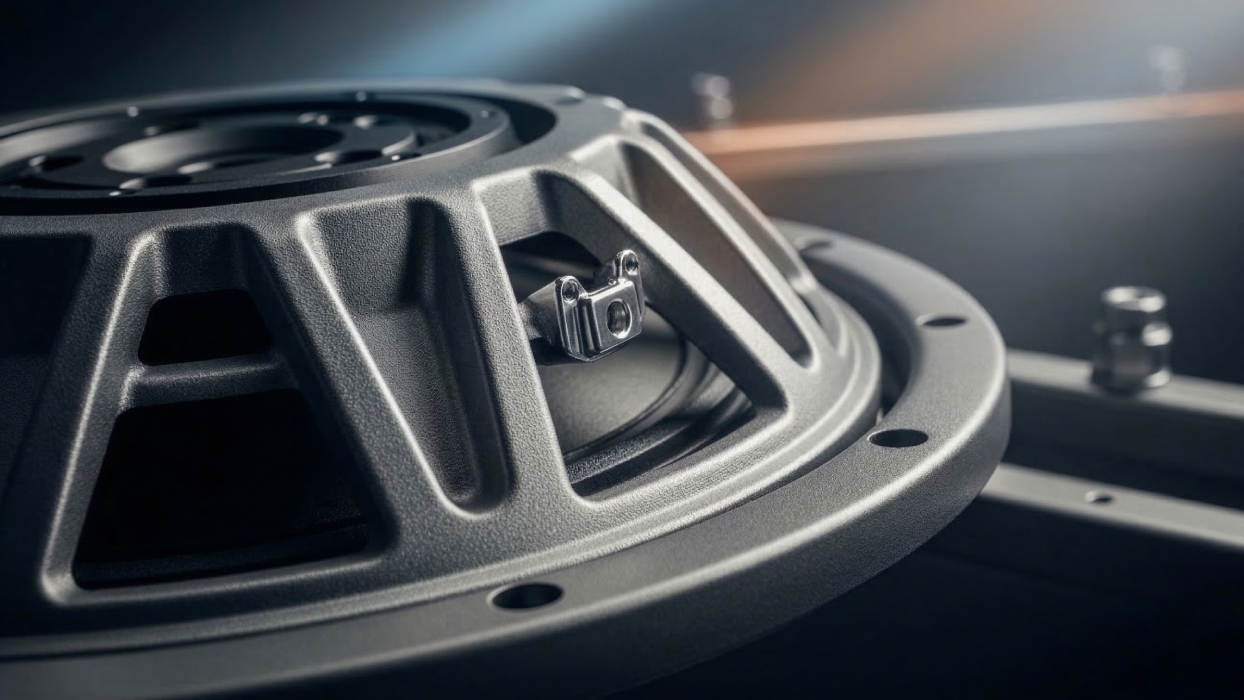
The speaker basket is the rigid frame that connects the motor assembly to the cone, surround, and spider. It establishes the geometry of the speaker and keeps all moving parts centered and aligned.
In practical terms, the basket:
- Supports the magnet and voice coil assembly
- Holds the spider and surround in position
- Provides mounting points for installation
- Maintains alignment during cone movement
If the basket shifts, flexes, or resonates, every other component is affected.
The Basket’s Role in Speaker Performance
Speaker performance depends on controlled, symmetrical cone movement. That control starts with the basket.
A rigid, well-designed basket keeps the voice coil centered in the magnetic gap as the cone moves forward and backward. This alignment reduces mechanical distortion and allows the motor to apply force evenly.
When alignment is compromised, even slightly, the speaker produces distortion that cannot be corrected electrically. The result is reduced clarity, especially in the midrange and midbass where excursion and precision matter most.
Basket Rigidity and Vibration Control
One of the basket’s most important jobs is resisting flex.
As the speaker plays louder, mechanical forces increase. If the basket flexes under load, the cone no longer moves in a perfectly linear path. This introduces distortion and smears transient detail.
A rigid basket reduces mechanical vibration that would otherwise affect the sound.
This is especially important in vehicle doors, where the mounting surface itself can flex and resonate. A stiff basket helps isolate the speaker’s movement from the surrounding structure.
Basket Design and Airflow
Airflow behind the cone is another area where basket design matters.
As the cone moves, air must move freely behind it. Poorly designed baskets restrict airflow, which creates compression and resistance. This limits cone travel and reduces dynamic range, especially at higher volume levels.
Open basket designs with adequate venting allow:
- Smoother cone movement
- Better cooling of the voice coil
- More consistent performance under load
Restricted airflow does not usually cause immediate failure, but it does reduce efficiency and dynamic capability.
Why Basket Design Affects Longevity
Speaker baskets are under constant mechanical stress. Every bass note applies force to the motor and suspension, and that force transfers through the basket.
Over time, a weak or flexible basket can:
- Develop alignment issues
- Increase wear on the voice coil and suspension
- Contribute to rattles or mechanical noise
A strong basket helps the speaker maintain its original geometry, which improves consistency and durability over years of use.
In Essence, the Basket Is Also a Performance Component
Basket rigidity affects distortion. Basket geometry affects alignment. Basket airflow affects dynamics and cooling. Together, these factors define the mechanical ceiling of the speaker.
A well-designed basket allows the speaker to perform as intended. A poor one limits performance long before electronic limits are reached.
Understanding basket design helps explain why speakers that look similar on the surface can perform very differently in real systems.
Speakers With Rigid, Well-Designed Baskets
Overall, if sound clarity and long-term reliability matter, prioritize speakers with rigid baskets that resist flex and vibration, especially in door installations. Based on construction quality and consistently low return rates related to mechanical noise or distortion, the following speakers stand out for basket design and structural integrity:
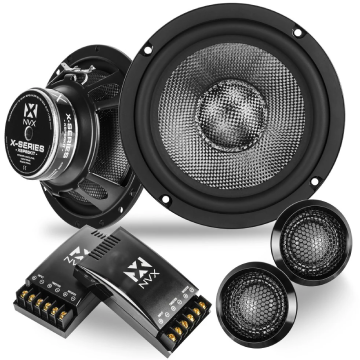
NVX XSP65 Kit
Cast aluminum baskets designed to reduce flex and maintain voice coil alignment
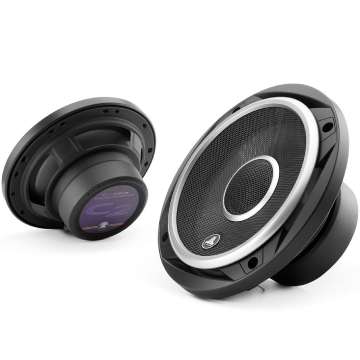
JL Audio C2-650X
Stamped steel baskets with reinforced geometry and strong motor support
These models exemplify how basket rigidity, geometry, and venting directly support cleaner midbass, lower distortion, and more consistent performance under real-world driving conditions.
About The Authors

Benjie B.
Benjie has been writing automotive content for six years, and he loves the idea of democratizing knowledge through well-written and easy-to-understand content. He particularly enjoys the learning process behind writing and he’s fascinated by how vehicles and how the systems behind them work. Now, his work at Sonic Electronix has exposed him to the rabbit hole that is car audio systems, and he now wants to upgrade his family’s 20-year-old Toyota Yaris with a high-fidelity system someday. He enjoys watching content creators on YouTube, and he’s currently an avid cyclist, training so that his friends don’t leave him behind on group rides.

Dustin H.
Dustin is passionate about delivering honest car audio advice that serves both first-time buyers and seasoned car audio enthusiasts. A veteran of the car audio industry, he continues to learn about car audio space while building some systems of his own. Outside of his work in car audio, he’s active in his local church and enjoys spending time with family.