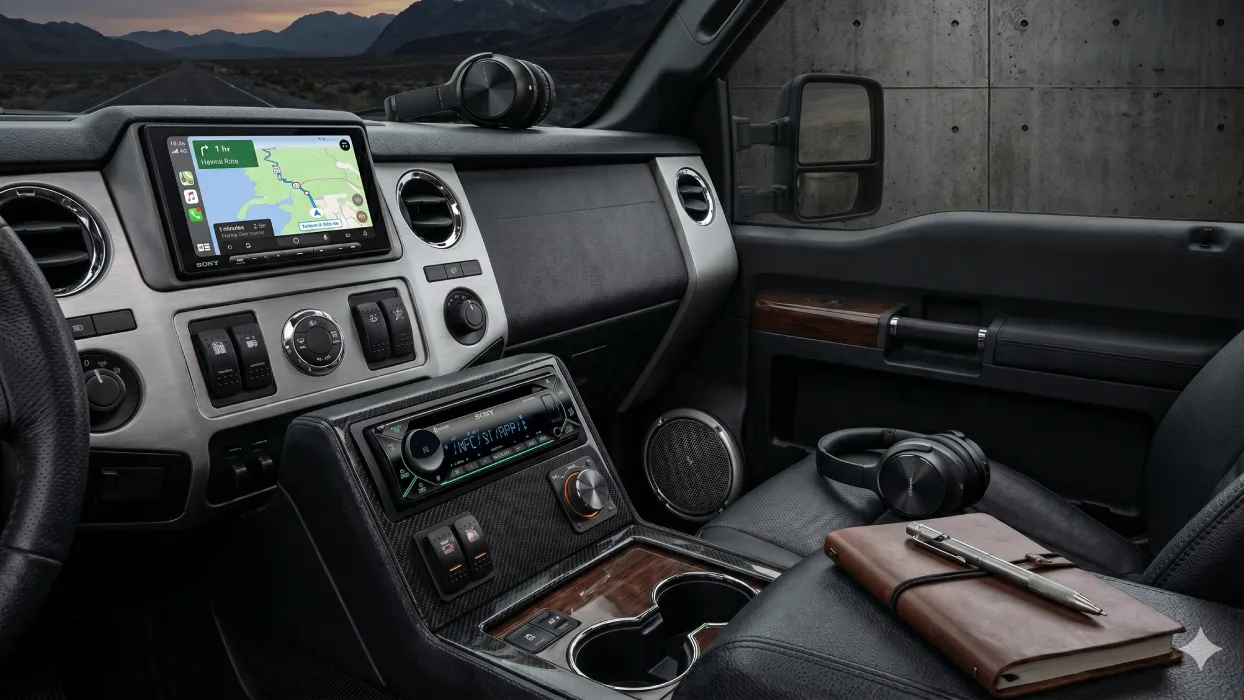
Sony head units that sound the cleanest in real vehicles are usually the ones that combine stronger voltage preamp outputs (or preouts) with usable tuning tools (EQ, time alignment, and crossovers). We think the most SQ-friendly picks cluster around 5V preouts for easier gain setting, plus models that give you enough control to correct the cabin’s biggest problems.
SQ Picks at a Glance
- Best Overall SQ Pick: Sony XAV-AX8500 – It pairs 5V preouts with deeper EQ options and time alignment support, which helps keep an amplified system clean and easy to tune.
- Best Double-DIN SQ Pick: Sony XAV-AX6000 – It keeps 5V preouts and adds time alignment plus a 14-band EQ, so staging and tonal balance are easier to correct in the dash format most vehicles expect.
- Best Floating-Screen Value for SQ: Sony XAV-AX8100 – It’s a strong fit when you want a big screen but still care about 5V preouts and basic EQ control for an amp-based build.
Best Traditional Receiver for Low-Noise Amp Feeds: Sony DSX-B700 – It’s a straightforward receiver with 4V preouts and EQ control, which can keep gain structure sensible without adding touchscreen complexity. - Best Simple SQ Source With CD Playback: Sony MEX-N5300BT – It’s a clean, simple source with 4V preouts and a 10-band EQ, which still works well when you’re building around external amplification.
What Makes a Head Unit Sound Better in Real Cars
A head unit usually improves sound quality through signal quality and control. The biggest audible gains typically come from:
- Cleaner gain structure (stronger preout voltages so the amp doesn’t need excessive gain)
- Better in-dash tuning (tools that correct timing and frequency balance problems caused by seating position and reflections)
That’s why two receivers can feel similar on paper but behave differently once installed. If one gives you a stronger signal and more useful control, it’s typically easier to keep the system smooth as volume rises.
Why Preout Voltage Changes Noise and Dynamics
Preout voltage matters because it affects how much gain your amplifier needs for the same listening level. With higher-voltage preouts, you can usually run lower amp gain, which often reduces hiss and makes alternator noise less likely to get amplified.
Independent bench testing has shown Sony models like the XAV-AX8500 and XAV-AX6000 can deliver about 5V output (and slightly above in some measurements), which is a practical advantage when you’re feeding external amps.
Tuning Tools That Actually Matter for SQ
Time Alignment
Time alignment matters because you’re closer to one side of the car. Adjusting speaker distance settings helps center vocals and stabilize the image. Sony’s own guidance describes time alignment as adjusting speaker distance to correct arrival time at the listening position.
Equalization
EQ matters because cabins create peaks and dips that aren’t part of the recording. A 10-band EQ can handle broad corrections, while 14-band (and additional parametric control where available) can help you dial in problem regions with more precision.
Crossovers
Crossovers matter because they keep door speakers out of bass ranges they can’t control. When mids aren’t forced to play too low, distortion tends to drop and midbass definition usually improves.
Quick Comparison of the Five Picks
| Model | Preout Voltage | Tuning Tools That Matter | Best Fit For |
|---|---|---|---|
| XAV-AX8500 | 5V | 14-band EQ plus added parametric control, time alignment support | Amplified SQ builds needing the most in-dash control |
| XAV-AX6000 | 5V | 14-band EQ, time alignment, multi-zone crossover | Double-DIN installs that still want serious tuning |
| XAV-AX8100 | 5V | 10-band EQ | Floating-screen installs where signal strength still matters |
| DSX-B700 | 4V | 10-band EQ | Simple, low-noise amp feed without a touchscreen |
| MEX-N5300BT | 4V | 10-band EQ | CD-based systems that still want strong preouts |
Model Notes and Best-Fit Use Cases
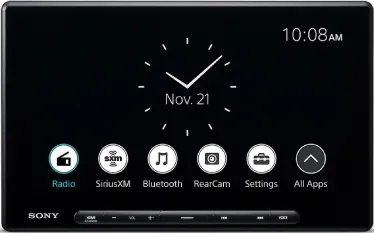
Sony XAV-AX8500
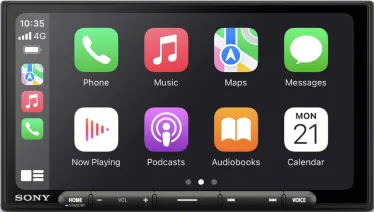
If the goal is a clean, stable front stage with external amplification, the AX8500’s combination of 5V preouts and deeper EQ control is the main reason it lands at the top. Bench testing has shown it can hit roughly the rated 5V output, which supports lower gain settings on your amps.
Sony XAV-AX6000
The AX6000 is the double-DIN-style choice when you want strong signal delivery and tuning that can actually fix staging and brightness issues. Bench testing has also shown strong preout performance around the 5V target, which is useful when you’re gain-matching a multi-amp system.
Sony XAV-AX8100
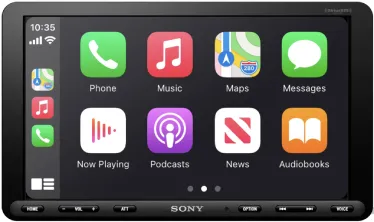
The AX8100 makes sense when screen placement is part of the install constraint but you still want 5V preouts for a cleaner amp interface. Reviews often mention the interface feels intuitive, while some note daytime brightness limitations depending on vehicle lighting and mounting angle.
Sony DSX-B700
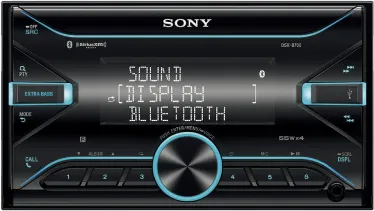
For buyers who don’t want a touchscreen, the DSX-B700 stays relevant because 4V preouts are still enough to build a quiet, clean gain structure in many systems. Customer feedback commonly frames it as a solid sound-quality upgrade with practical tuning for the price tier.
Sony MEX-N5300BT
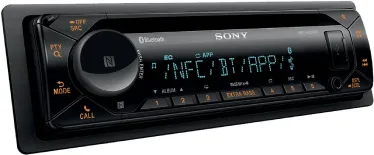
If CD playback matters and you still want a strong preamp signal, the MEX-N5300BT’s 4V preouts and 10-band EQ make it a sensible “simple source” for an amp-based system. Reviews often describe it as a noticeable sound upgrade over basic factory sources, especially when paired with better speakers or amplification.
Installation Choices That Protect SQ
A head unit with strong preouts and good tuning can’t overcome avoidable install noise. Clean results usually come from:
- Solid grounding and sensible power routing
- RCA routing that avoids high-current wiring where possible
- Gain settings based on signal strength, not guesswork
When the signal chain is quiet and stable, tools like time alignment and EQ become more effective because you’re tuning the cabin, not compensating for noise.
Closing Guidance for SQ Buyers
If you’re building for sound quality, prioritize preout strength and tuning tools you’ll actually use. In most real installs, a 5V-preout model (AX8500, AX6000, AX8100) simply makes it easier to keep an amplified system clean, while the 4V receivers (DSX-B700, MEX-N5300BT) remain strong choices when you want a simpler interface and still care about signal quality.
About The Authors

Benjie B.
Benjie has been writing automotive content for six years, and he loves the idea of democratizing knowledge through well-written and easy-to-understand content. He particularly enjoys the learning process behind writing and he’s fascinated by how vehicles and how the systems behind them work. Now, his work at Sonic Electronix has exposed him to the rabbit hole that is car audio systems, and he now wants to upgrade his family’s 20-year-old Toyota Yaris with a high-fidelity system someday. He enjoys watching content creators on YouTube, and he’s currently an avid cyclist, training so that his friends don’t leave him behind on group rides.

Hunter V.
Hunter is a Tech Support Lead at Sonic Electronix who also works with the company’s marketing and R&D team. With eight years of experience in the car audio installation space, Hunter likes to make sure that our customers are always happy with their purchase. In his past time, Hunter enjoys building subwoofers and spending time with his kids.