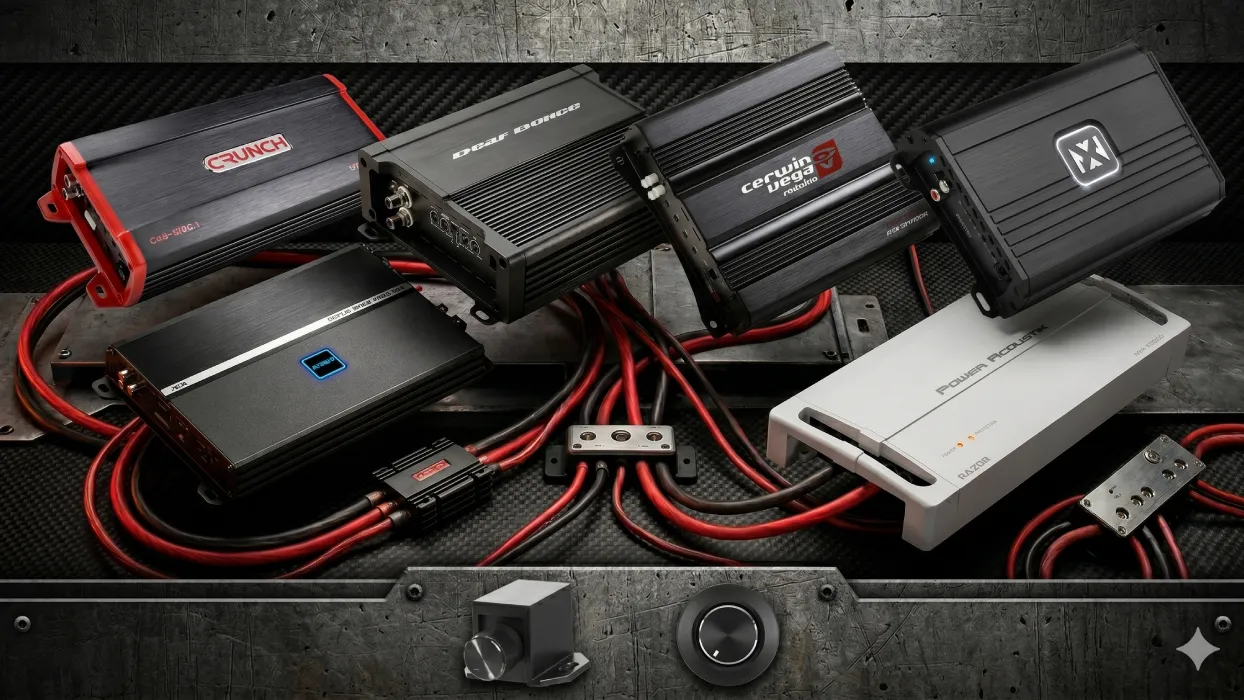
For under $150, these models stand out because their specs and features make predictable results more likely:
Budget Monoblock Shortlist Under $150
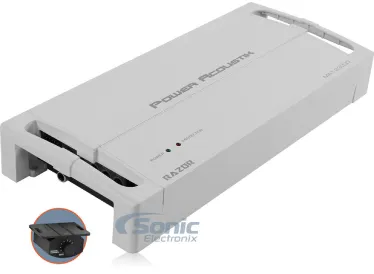
Best Overall Pick
Power Acoustik MA1-2300D – It’s $147.99 in stock and offers published RMS power at 2 ohms, which is the sweet spot for many budget sub wiring options.
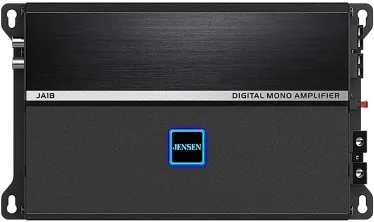
Best for Clean Setup Control
Jensen JA1B – At $149.99, its CEA-2006 compliance and app-based DSP adjustments help you get usable bass without guessing.
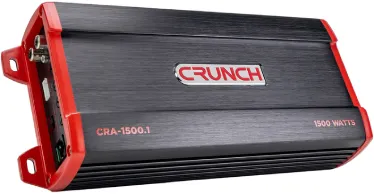
Best 1-Ohm Budget Option
Crunch CRA-1500.1 – It’s $130.00 and 1-ohm stable on paper, which helps when your sub wiring lands you at 1 ohm and you keep gains conservative.
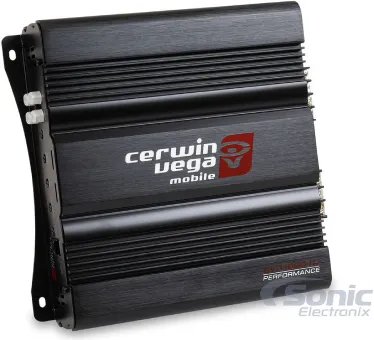
Best for Modest Electrical Systems
Cerwin-Vega CVP1600.1D – At $129.99, it’s a lower-RMS, lower-current choice that can sound controlled when you’re not building a high-demand bass system.
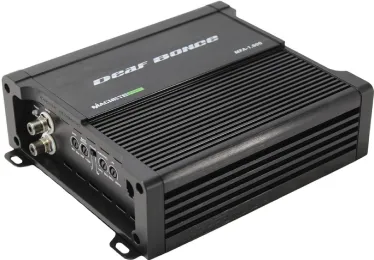
Max Output for the Money
Deaf Bonce MFA-1.800 – It’s shown at $149.90 with 1-ohm rated output, which can make sense when you’ve got the electrical and enclosure to support it.
How to Avoid Disappointment On a Budget Amp
Most disappointments come from two places: unclear power ratings and electrical stress. Finding an amp with a clear power rating and having an electrical system that can provide clean power is how you avoid disappointment.
If you want a budget monoblock that actually performs well, these are the specifications that you should prioritize: published RMS ratings, realistic impedance stability, and protection to survive daily driving.
A monoblock that’s marketed with big peak numbers can still be useful, but it forces you to design blind. When the real continuous output is unclear, people tend to set gain too high to get the bass back, and that’s when clipping, overheating, and sub damage start stacking up.
The second issue is current demand. A budget amp driven hard at low voltage is more likely to shut down, distort early, or sound inconsistent from one song to the next.
What to Look for Under $150
RMS Power That Matches Your Sub and Wiring
RMS is the number that matters for matching an amp to a subwoofer’s thermal limits. Models like the MA1-2300D publish RMS output by impedance, so you can plan a system that stays stable instead of guessing.
Impedance Stability You’ll Actually Use
A lot of budget systems end up at 2 ohms because it’s easy to wire with common dual-voice-coil subs and it usually asks less from the amp than a 1-ohm build. That’s why a 2-ohm-stable amp with solid published power can be a smarter “daily driver” choice than chasing 1-ohm output.
If you do wire to 1 ohm, the amp choice matters even more. The Crunch CRA-1500.1 is positioned as 1-ohm stable, but it’s still smart to treat 1 ohm as a higher-stress operating point and tune accordingly.
Control Features That Prevent Mistakes
Budget builds usually benefit from:
- a low-pass filter to keep vocals out of the sub
- a subsonic filter (especially for ported enclosures)
The Jensen JA1B leans into this by pairing its amp with DSP control via an app, which can make the result more repeatable in real vehicles.
Quick Comparison of the Picks
| Model | Sonic Price (At Last Check) | Published RMS Output | Best Fit |
|---|---|---|---|
| Power Acoustik MA1-2300D | $147.99 | 900W x 1 @ 4Ω, 1400W x 1 @ 2Ω | Strong output at 2Ω with straightforward tuning |
| Jensen JA1B | $149.99 | Up to 595W x 1 (published), CEA-2006 noted | Tight control and easier setup in daily-driver installs |
| Crunch CRA-1500.1 | $130.00 | Up to 1500W x 1 @ 1Ω (published) | Budget 1Ω wiring when gains stay conservative |
| Cerwin-Vega CVP1600.1D | $129.99 | 200W RMS (published) | Modest sub stage with lighter electrical demand |
Real-World Setup Notes That Matter More Than Brand
Your Charging System Sets the Ceiling
If your voltage sags under load, the amp can’t make clean power. That shows up as bass that gets mushy, inconsistent, or suddenly distorted at higher volume.
If you’re staying on stock electrical, it’s usually smarter to choose an amp and sub combination that’s comfortable at 2 ohms and doesn’t require pushing gain to the edge.
Enclosure Choice Can Make a Smaller Amp Sound Bigger
A properly sized sealed enclosure can sound controlled with less power. A ported enclosure can play louder per watt, but it’s less forgiving if you don’t use a subsonic filter and sensible tuning.
If your goal sounds good every day, match your enclosure to your space and listening style before you chase higher wattage.
Where NVX Fits if You Can Stretch the Budget
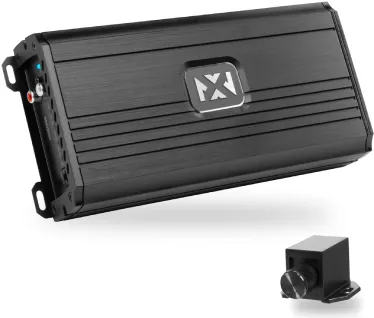
Under $150, the picks above can work well when you match impedance, set filters correctly, and avoid using the gain setting as a volume knob. If you can move closer to $170, NVX NDA12001 is listed at $169.99 and is the kind of step-up that tends to be better because you’re buying more headroom and a stronger baseline platform.
About The Authors

Benjie B.
Benjie has been writing automotive content for six years, and he loves the idea of democratizing knowledge through well-written and easy-to-understand content. He particularly enjoys the learning process behind writing and he’s fascinated by how vehicles and how the systems behind them work. Now, his work at Sonic Electronix has exposed him to the rabbit hole that is car audio systems, and he now wants to upgrade his family’s 20-year-old Toyota Yaris with a high-fidelity system someday. He enjoys watching content creators on YouTube, and he’s currently an avid cyclist, training so that his friends don’t leave him behind on group rides.

Hunter V.
Hunter is a Tech Support Lead at Sonic Electronix who also works with the company’s marketing and R&D team. With eight years of experience in the car audio installation space, Hunter likes to make sure that our customers are always happy with their purchase. In his past time, Hunter enjoys building subwoofers and spending time with his kids.