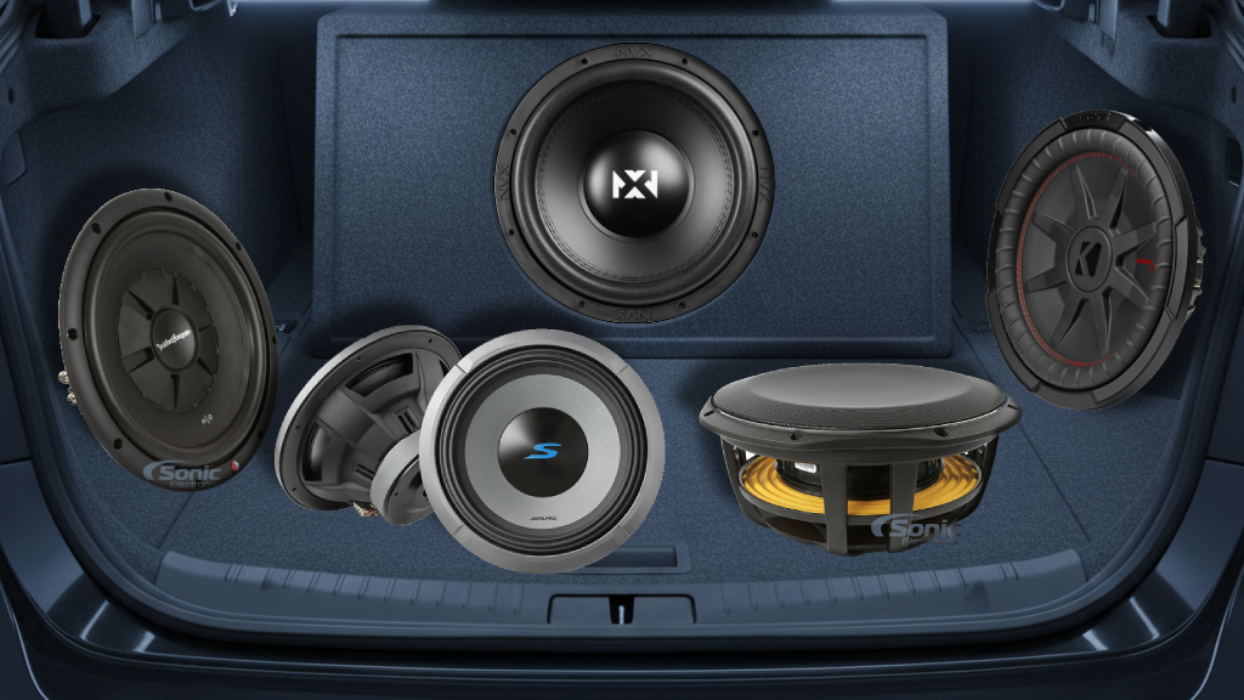
- Best Shallow-Mount for Tight Control: Kicker CWRT124 – A strong choice for trucks and under-seat installs where sealed-box control matters more than deep extension.
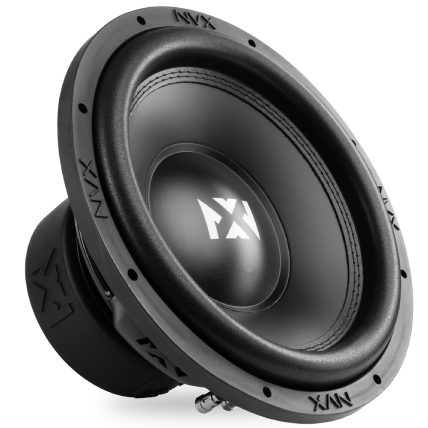
- Best Value Traditional Sub for Clean Bass: NVX VSW124v3 – A budget-friendly option that stays composed in sealed enclosures when tuned conservatively.
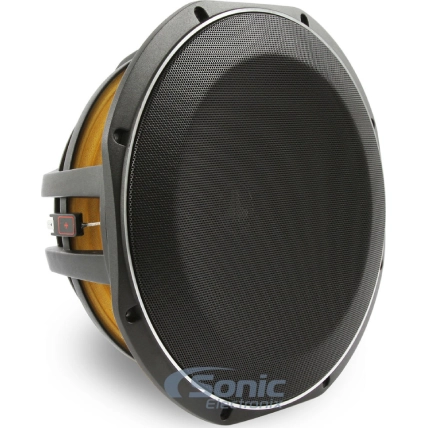
- Best High-Fidelity Shallow Sub: JL Audio 12TW1 – Designed for accurate, well-damped bass in small sealed boxes where refinement is the priority.
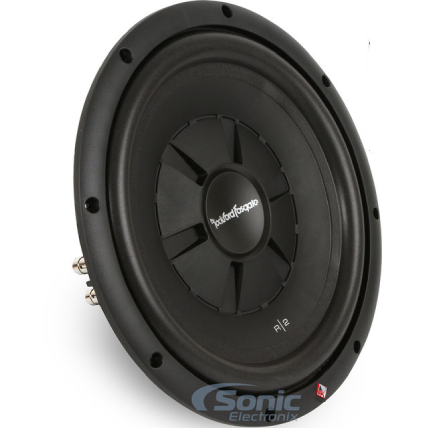
- Best Balanced Entry-Level Shallow Sub: Rockford Fosgate R2SD4-12 – Predictable, easy-to-integrate performance for daily listening without exaggerated output.
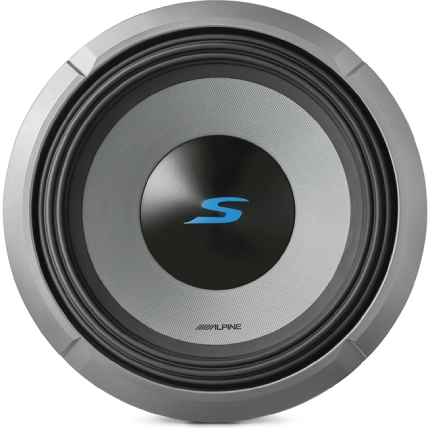
- Best Clean Bass With Extra Headroom: Alpine S2-W12D4 – A good fit when you want tight bass but don’t want the system to feel constrained at higher volume.
Clean, tight bass comes from control, not maximum excursion or the biggest wattage number. A sub sounds tight when it starts and stops with the music, stays composed as volume rises, and blends with the front stage instead of lingering after each note.
That behavior is a system result. The subwoofer matters, but enclosure alignment, amplifier control, and setup discipline usually decide whether bass feels precise or boomy.
What Clean, Tight Bass Actually Sounds Like
“Tight” bass has three predictable traits:
- Fast decay: notes don’t hang around after they should end.
- Stable pitch: different bass notes sound distinct instead of blending into one tone.
- Integration: bass feels connected to the kick drum and midbass rather than detached.
Subwoofers built for control often trade some peak output for damping and consistency, especially in sealed enclosures.
What Creates Bass Control in Real Systems
Tight bass usually comes from these factors working together:
Motor Strength and Cone Control
A stronger motor relative to the moving mass helps the driver resist overhang. In practice, this means the sub is less likely to feel loose when the system gets loud.
Suspension Behavior
A suspension that’s designed for predictable movement tends to sound cleaner when you’re not relying on extreme excursion to make bass.
Enclosure Alignment
Sealed alignments usually provide the most predictable damping. Ported alignments can still sound clean, but they’re more sensitive to tuning, box design, and filtering.
Shallow vs Traditional Subwoofers Can Both Be Tight
Shallow subs aren’t automatically less accurate. The real limitation is that shallow designs often need to balance depth constraints with motor and suspension geometry. When a shallow sub is designed for small sealed enclosures, it can sound very controlled.
Traditional-depth subs still have an advantage when you have the space. With more motor options and enclosure volume, it’s often easier to build low-end authority without leaning on EQ or aggressive boost.
The Five Picks That Tend to Deliver Tight Bass
| Model | Fitment Type | Typical Enclosure Fit | Why It Makes Sense for Tight Bass |
|---|---|---|---|
| Kicker CWRT124 | Shallow | Sealed | Built for tight sealed boxes in space-limited installs |
| NVX VSW124v3 | Standard depth | Sealed | Strong control focus for the price when tuned conservatively |
| JL Audio 12TW1 | Shallow | Sealed | Designed for accurate response over maximum output |
| Rockford Fosgate R2SD4-12 | Shallow | Sealed | Balanced daily-driver control with easy integration |
| Alpine S2-W12D4 | Medium depth | Sealed, mild ported | Controlled bass with extra headroom when needed |
Specs and fitment vary by version and vehicle constraints, so the enclosure recommendation and mounting depth should be matched to the listing and your available space.
Why Qts Helps, and Where It Can Mislead You
Qts (Total Q) is a parameter that describes how the driver behaves around resonance, including how much electrical and mechanical damping it has. In sealed-box planning, Qts can offer a quick clue about whether a sub is likely to behave in a controlled way without needing extreme enclosure volume.
In general terms, many sound-quality-oriented sealed builds land well with drivers that don’t have an excessively high Qts, but Qts alone doesn’t guarantee tight bass. The enclosure volume, the driver’s recommended sealed specs, and how you set filtering matter just as much.
If you want a more practical planning target, focus on this instead: choose a sub with clear sealed-box recommendations, then build a sealed enclosure that matches the intended volume and keeps the system’s bass response smooth rather than peaked.
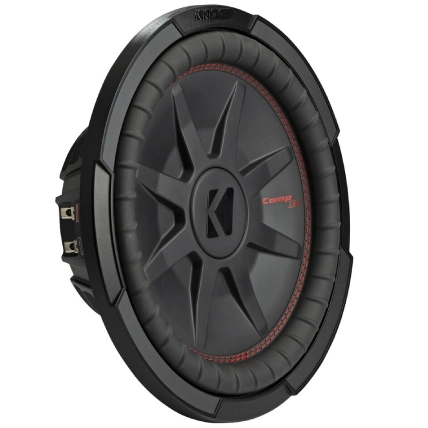
Kicker CWRT124: Shallow-Mount Control for Trucks and Tight Spaces
The CWRT124 makes sense when you need shallow mounting depth but still want bass that stays defined. In small sealed enclosures, this type of sub tends to deliver punch and clarity instead of chasing deep extension that the enclosure can’t support.
It’s a strong fit for under-seat truck boxes and other installs where “fits correctly” is part of sound quality.
NVX VSW124v3: Budget-Friendly Control With Standard Depth
The VSW124v3 is a standard-depth 12-inch option that typically works best when you treat it like an SQ-style driver: sealed alignment, conservative tuning, and clean power.
In real systems, this is the kind of sub that can sound authoritative without getting sloppy, as long as the box volume and gain structure aren’t forcing it into distortion.
JL Audio 12TW1: Refinement Over Raw Output
The 12TW1 is aimed at shallow installs where you still want accurate, predictable bass. In a properly sized sealed enclosure, it’s usually chosen for smooth integration and controlled note definition rather than maximum slam.
This is a better fit for listeners who want bass to support the music, not dominate the cabin.
Rockford Fosgate R2SD4-12: Balanced, Practical Shallow-Mount Bass
The R2SD4-12 is a practical daily-driver choice when shallow mounting is required and you want reliable, consistent bass behavior in a sealed box.
It’s not built to be the loudest shallow sub. It’s built to be easier to integrate without turning the system into one-note bass.
Alpine S2-W12D4: Clean Bass With More Headroom
The S2-W12D4 fits when you want controlled bass but don’t want the system to feel restrained. In sealed enclosures it can stay composed at higher output levels, especially when the enclosure size and filtering stay conservative.
It can work in mild ported alignments, but sealed is typically the easier path to tight bass and predictable blending.
Setup Reminders That Matter More Than the Sub Choice
Sealed Enclosures Usually Win for Tight Bass
Sealed boxes are typically the lowest-risk way to get control. If you go ported, keep the alignment conservative and protect the sub with the right filtering so it doesn’t unload below tuning.
Filtering Prevents Mud and Stress
A clean low-pass on the sub and a proper high-pass on door speakers usually make the system sound tighter immediately, even before you touch EQ.
Amplifier Control Comes From Setup, Not Class Labels
People often talk about damping factor, but the practical takeaway is simpler: stable power delivery, proper gain structure, and avoiding clipping are what keep bass clean at higher volume.
Match the Sub to the Space You Actually Have
A well-designed shallow sub in a correct sealed enclosure usually sounds better than a standard-depth sub forced into an undersized or compromised box.
Final System Guidance
Clean, tight bass is a design choice. Every subwoofer above can deliver controlled, accurate low end when the enclosure alignment, amplifier setup, and expectations match the install.
If you tell me your vehicle, available mounting depth, and whether you’re going sealed or ported, I can narrow these to the best two fits and outline a simple, low-risk setup approach.
About The Authors

Benjie B.
Benjie has been writing automotive content for six years, and he loves the idea of democratizing knowledge through well-written and easy-to-understand content. He particularly enjoys the learning process behind writing and he’s fascinated by how vehicles and how the systems behind them work. Now, his work at Sonic Electronix has exposed him to the rabbit hole that is car audio systems, and he now wants to upgrade his family’s 20-year-old Toyota Yaris with a high-fidelity system someday. He enjoys watching content creators on YouTube, and he’s currently an avid cyclist, training so that his friends don’t leave him behind on group rides.

Hunter V.
Hunter is a Tech Support Lead at Sonic Electronix who also works with the company’s marketing and R&D team. With eight years of experience in the car audio installation space, Hunter likes to make sure that our customers are always happy with their purchase. In his past time, Hunter enjoys building subwoofers and spending time with his kids.