Summary
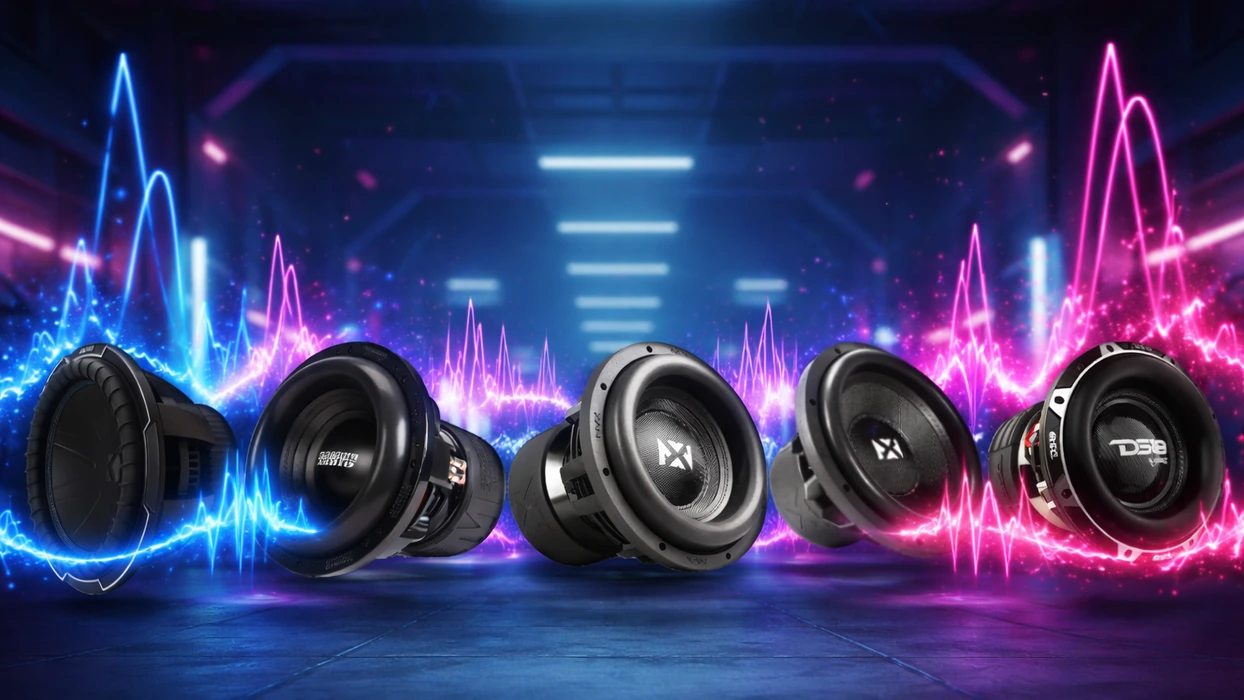
- Best overall maximum SPL pick: The NVX XC-Series (XCW122) is purpose-built for SPL, combining 2000W RMS power handling, 30 mm one-way Xmax, and a triple-stacked ferrite motor for high-output systems that need real durability under heavy use.
- Competition-focused SPL pick: The Sundown M-12 D1 is designed for aggressive output and high excursion, commonly chosen for SPL-oriented builds that emphasize air movement and peak loudness over refinement.
- Best value SPL pick: The NVX VCW122v3 offers strong output capability at a more accessible price point, making it a popular choice for budget-minded systems that still want impactful, high-energy bass.
- Best daily-driven SPL pick: The Kicker 51CWQ122 (CompQ) balances efficiency and power handling, delivering hard-hitting bass that works well in street-driven vehicles without requiring extreme enclosure designs.
- Maximum impact / aggressive bass pick: The DS18 HOOL-X12.2DHE is engineered for loud, forward bass response, appealing to listeners who prioritize raw output and presence in high-energy systems.
Maximum SPL builds are about producing the highest possible sound pressure level without losing control of the system. These setups prioritize output, durability, and efficiency under extreme conditions rather than subtle detail or tonal accuracy.
In a vehicle environment, achieving high SPL is not just about choosing a powerful subwoofer. It requires a driver designed to move large volumes of air, survive sustained power, and remain mechanically stable at extreme excursion.
Excursion refers to how far a subwoofer’s cone can move forward and backward from its resting position while playing bass. Greater excursion allows the subwoofer to move more air, which is necessary for producing deeper and louder low-frequency sound without distortion.
The subwoofer, enclosure, and electrical system all work together to determine how loud the system can get before distortion or failure becomes the limiting factor.
This guide explains what actually drives SPL performance in real vehicles and highlights several subwoofers commonly chosen for high-output builds.
What Determines SPL Performance
Air Movement
Sound pressure is created by air displacement. Subwoofers designed for SPL focus on cone area, excursion capability, and motor force rather than sensitivity at low power levels. A sub that can maintain control while moving a large volume of air will typically outperform a smaller or lightly built driver, even if power ratings appear similar.
Motor Strength and Thermal Management
High SPL operation demands a strong motor structure to keep the cone under control at extreme excursion. Large voice coils, aggressive cooling designs, and high-temperature adhesives allow the subwoofer to survive prolonged high-power use without losing output due to heat buildup.
Enclosure Alignment and Tuning
SPL subwoofers are rarely used in sealed enclosures. Ported and bandpass designs are common because they increase efficiency and output in a targeted frequency range. The trade-off is bandwidth and musical accuracy, which is acceptable in SPL-focused systems where peak loudness is the goal.
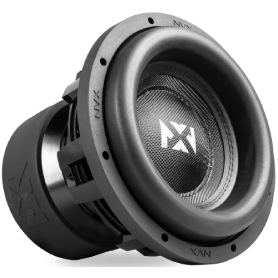
Best overall maximum SPL pick: NVX XC-Series (XCW122)
he NVX XC-Series is engineered specifically for SPL-style output, and the XCW122 is a standout option because it’s built to take serious power while staying mechanically stable. It’s rated at 2000W RMS, uses a 3-inch high-temperature voice coil, and is designed around 30 mm one-way Xmax to support the kind of air movement SPL builds depend on.
It also uses a 409 oz triple-stacked ferrite magnet and heavy-duty terminals, which signals the intent: this isn’t a “loud daily” sub that happens to get used in SPL builds. It’s a dedicated output platform that wants a real enclosure and real power behind it.
A practical advantage for SPL-minded owners is serviceability. The XCW122 has a recone kit available, which matters for systems that get pushed hard and need a realistic path to keep going.
If you want the same design direction with more cone area, the XCW152 (15-inch) carries the same 2000W RMS / 30 mm Xmax intent in a larger format.
Why the NVX XC-Series (XCW122) fits SPL builds
- Strong motor control and mechanical design for extreme output
- Designed for sustained high-power operation (2000W RMS)
- Purpose-built for ported enclosures with published ported volume guidance
- Recone support available for long-term ownership in hard-driven systems
Competition-focused SPL pick: Sundown M-12 D1
The Sundown M-series is purpose-built for loudness. The M-12 D1 is designed to handle extreme excursion and power levels, making it a frequent choice in SPL-focused builds where peak output is the primary objective.
Users often describe this subwoofer as physically demanding on the vehicle, which is exactly the point in SPL systems. It is typically used in large, aggressive enclosures and paired with substantial electrical upgrades to support its power demands.
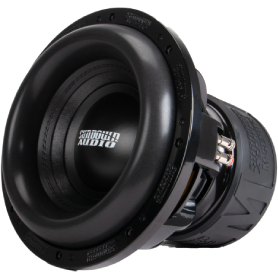
Why the Sundown M-12 D1 fits SPL builds
- Commonly used in competitive or near-competition setups
- Designed for maximum cone movement and air displacement
- Thrives in large, high-output enclosure designs
Best value SPL pick: NVX VCW122v3
The NVX VCW122v3 offers a balance of output capability and affordability, making it popular among builders who want loud bass without entering extreme competition budgets. While not as aggressive as some dedicated SPL-only drivers, it delivers strong output when installed and powered correctly.
In daily-driven SPL systems, this subwoofer is often chosen for its ability to hit hard while remaining manageable in enclosure size and power requirements.
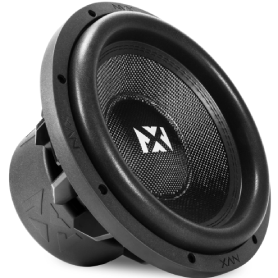
Why the NVX VCW122v3 fits SPL builds
- Suitable for high-impact daily systems
- Strong output capability for its price class
- Works well in moderately sized ported enclosures
Best daily-driven SPL pick: Kicker 51CWQ122
The Kicker CompQ series is known for combining efficiency with durability. The 51CWQ122 delivers strong output without requiring extreme enclosure volume or excessive power, which makes it appealing for vehicles that see regular use.
This subwoofer is often selected for systems that aim to be loud and impactful while still remaining reliable and practical for everyday driving.
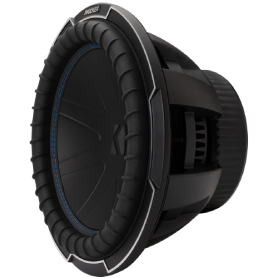
Why it fits SPL builds
- Easier to integrate into space-limited vehicles
- Efficient design supports high output with less power
- Durable construction for long-term daily use
Aggressive bass pick: DS18 HOOL-X12.2DHE
The DS18 HOOL-X series is designed with raw output in mind. The HOOL-X12.2DHE emphasizes loud, forward bass response and is commonly used in builds where presence and impact take priority over refinement.
This subwoofer is often paired with aggressive port tuning and high amplifier power to maximize output in the most audible bass ranges.
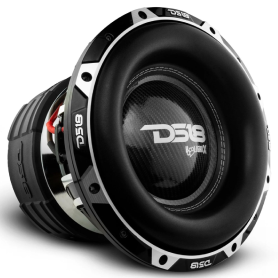
Why it fits SPL builds
- Best suited for loud, high-energy systems
- Built for aggressive, high-output bass response
- Strong visual and physical presence in SPL installs
Practical considerations before choosing an SPL subwoofer
Electrical System Upgrades Are Often Required
High SPL systems place significant demand on a vehicle’s electrical system. Upgraded wiring, batteries, and alternators are often necessary to supply consistent power and prevent voltage drop.
Enclosure Design is Important
An SPL subwoofer will not perform as intended without the correct enclosure. Box volume, port area, and tuning frequency must be matched to the driver and the desired output range.
Loud Systems Demand Disciplined Tuning
Even SPL-focused builds benefit from proper gain structure and crossover settings. Poor tuning can limit output, increase distortion, or shorten equipment lifespan.
Conclusion
Maximum SPL subwoofers are specialized tools designed for loudness, durability, and air movement. The best results come from matching the subwoofer to the enclosure, amplifier, and electrical system rather than focusing on power ratings alone.
Whether the goal is competition-level output or a daily-driven system that hits hard, the right SPL subwoofer provides controlled, repeatable loudness without sacrificing reliability. Balance between equipment, installation, and tuning ultimately determines how loud a system can get and how long it will last.
About The Authors

Benjie B.
Benjie has been writing automotive content for six years, and he loves the idea of democratizing knowledge through well-written and easy-to-understand content. He particularly enjoys the learning process behind writing and he’s fascinated by how vehicles and how the systems behind them work. Now, his work at Sonic Electronix has exposed him to the rabbit hole that is car audio systems, and he now wants to upgrade his family’s 20-year-old Toyota Yaris with a high-fidelity system someday. He enjoys watching content creators on YouTube, and he’s currently an avid cyclist, training so that his friends don’t leave him behind on group rides.

Dustin H.
Dustin is passionate about delivering honest car audio advice that serves both first-time buyers and seasoned car audio enthusiasts. A veteran of the car audio industry, he continues to learn about car audio space while building some systems of his own. Outside of his work in car audio, he’s active in his local church and enjoys spending time with family.