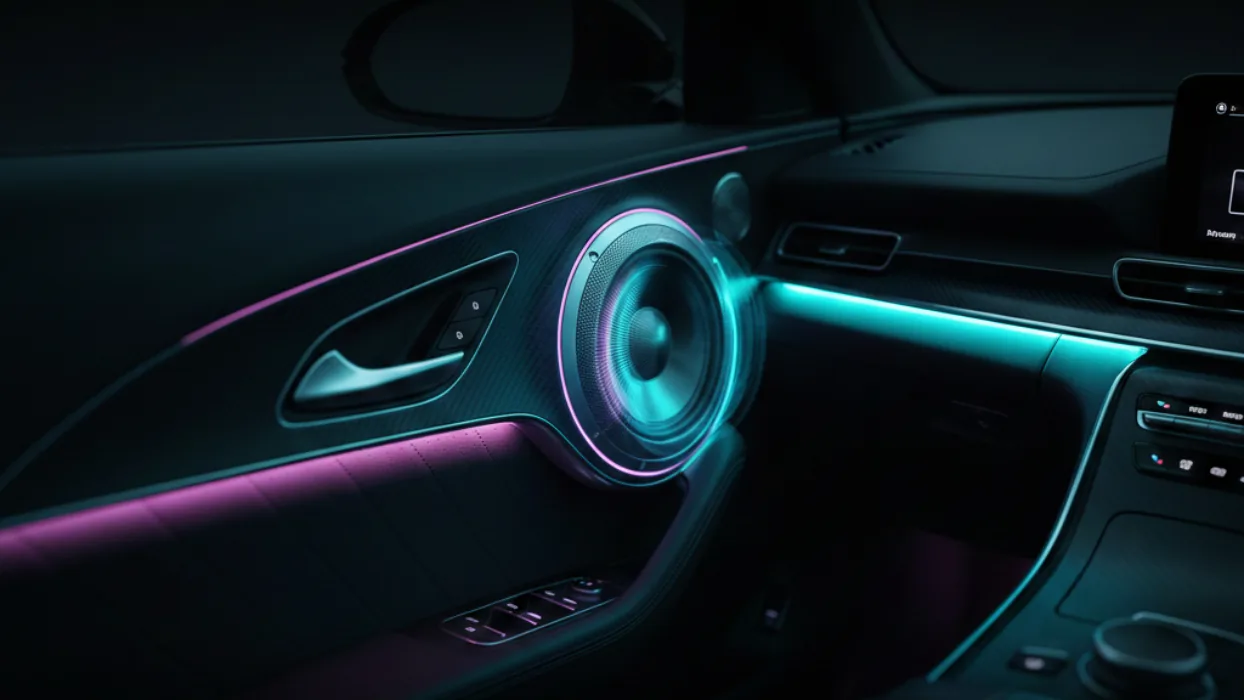
Your car’s interior can make the same subwoofer sound completely different from one vehicle to another. Cabin size, shape, materials, and seat layout all affect bass performance. Understanding these factors lets you get tighter, louder, and more accurate bass from your system
Summary
- Bass is made up of low-frequency sound waves that are physically large. Unlike higher frequencies that travel in a straight line, bass bounces around the cabin instead.
- Rattling means bass energy is being wasted as vibration instead of sound pressure. This can come from almost anything, including door panels, license plates, and trunk lids, which is why sound damping is extremely important.
- Cloth seats, thick carpets, headliners, and foam padding are soft materials that absorb bass energy. Meanwhile, hard materials like plastic trim, metal panels, and glass surfaces reflect or rattle bass output.
Understanding Bass Performance
Bass is made up of low-frequency sound waves that are physically large. Unlike higher frequencies that travel in a straight line, bass bounces around the cabin instead.
Bass typically ranges from 20–80 Hz in car audio, where wavelengths often exceed cabin dimensions. This results in modal behavior, which turns the car into a pressure vessel instead of a traditional listening room.
In a sense, your car’s interior doesn’t just play bass; it also reshapes it.
Cabin Size, Shape, and Cabin Gain
Smaller cabins naturally reinforce low frequencies, a concept better known as “cabin gain.” In smaller vehicles, bass output that falls below 50 Hz can increase dramatically due to cabin gain, which is why sound is louder in confined spaces.
Aside from cabin size, shape also dictates the way audio output sounds in your vehicle. Flat surfaces create reflections, while irregular shapes result in cancellations.
Glass reflects and transmits bass, while soft materials absorb it.
In most cases, standing waves and nulls often form between the windshield, rear deck, and floor, especially in sedans.
Interior Components and Their Impact on Bass
Aside from size, the material composition of interior components can also impact bass performance.
Materials
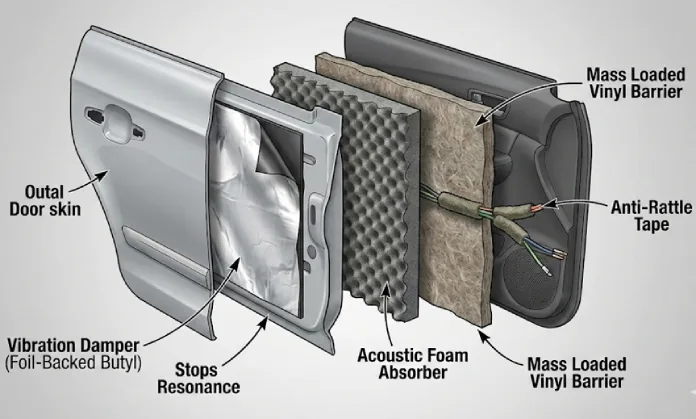
Cloth seats, thick carpets, headliners, and foam padding are soft materials that absorb bass energy. Meanwhile, hard materials like plastic trim, metal panels, and glass surfaces reflect or rattle bass output.
Seats, Layout, and Bass Pathways
Rear seats are one of the most overlooked bass barriers.
- Solid rear seat backs block bass from trunk-mounted subs
- Fold-down seats or ski-pass openings dramatically improve output
- Seat foam absorbs mid-bass (60–120 Hz)
- Seat position changes your exposure to pressure maxima and minima inside the cabin, affecting perceived bass depth.
Watch the video below for a quick tutorial on how you can install sound damping materials in your vehicle.
Trunk vs. Cabin Interaction
Sedans often require more power or port tuning because the trunk is acoustically isolated. This also requires the bass to pass through the rear deck or seats.
For hatchbacks and SUVs, the shared airspace allows bass to directly enter the cabin. The interior of hatchbacks and SUVs also helps produce a loud sound with less equipment.
Meanwhile, trucks have a strong cabin gain due to their small interiors. However, the space will allow for only limited enclosure options.
Vibrations, Rattles, and Lost Bass Energy
Rattling means bass energy is being wasted as vibration instead of sound pressure. This can come from almost anything, including door panels, license plates, and trunk lids, which is why sound damping is extremely important.
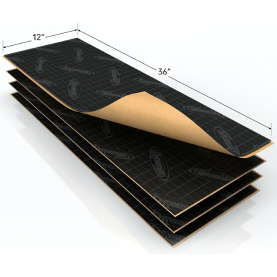
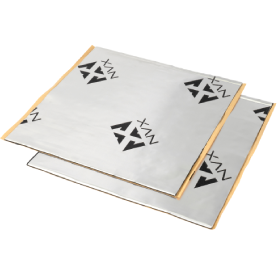
Sound damping doesn’t “make more bass.” Instead, it keeps the bass where it belongs.

About The Authors

Christine F.
Christine is a dedicated content writer with over five years of experience covering a variety of automotive and car audio topics, transforming technical knowledge into compelling and easy-to-understand content. She’s passionate about writing articles that educate, empower, and inspire drivers and audio enthusiasts everywhere. In her free time, she enjoys playing tennis and going on walks with her dog.

Dustin H.
Dustin is passionate about delivering honest car audio advice that serves both first-time buyers and seasoned car audio enthusiasts. A veteran of the car audio industry, he continues to learn about car audio space while building some systems of his own. Outside of his work in car audio, he’s active in his local church and enjoys spending time with family.